


Key Highlights
- E-waste is the fastest-growing waste stream globally, requiring responsible disposal.
- Improper disposal can lead to serious environmental and health risks due to hazardous materials.
- Recycling, donating, and manufacturer take-back programs are effective ways to dispose of e-waste.
- Data security is essential before discarding electronics to prevent privacy breaches.
- Choosing eco-friendly gadgets and supporting responsible manufacturers promotes sustainability.
Essential Insights on Responsible E-Waste Disposal Practices
In today’s tech-driven world, electronics are a huge part of our lives. But as technology advances, many of our old devices become outdated, creating electronic waste or e-waste. If not handled correctly, e-waste can cause serious environmental harm and health issues. In this guide, we’ll explain why it’s crucial to recycle electronics responsibly and how residents of Philadelphia and New Jersey can find local options for safe disposal.
Understanding E-Waste and Its Impact
What Is E-Waste?
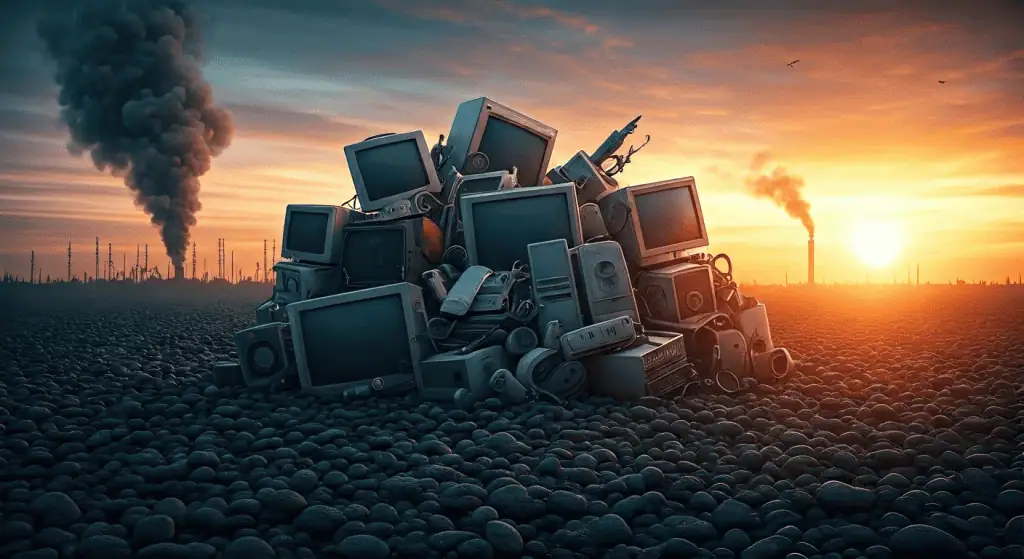
E-waste includes any electronic device that’s no longer functional or wanted. This can range from computers, smartphones, and TVs to smaller gadgets like chargers and batteries. These devices often contain valuable materials like gold and copper, but they also contain hazardous substances like lead, mercury, and cadmium.
Why Responsible E-Waste Disposal Matters
Improper e-waste disposal—such as tossing electronics into landfills—can release toxic chemicals into the environment. These harmful substances can contaminate the soil and water, leading to air and water pollution, which affects wildlife and can cause serious health issues like respiratory problems and even cancer in humans. It’s critical to properly recycle your old electronics to protect both the environment and our communities.
Common Examples of E-Waste:
- Laptops, desktops, tablets, and smartphones
- TVs, printers, and audio systems
- Household appliances like microwaves and air conditioners
- Chargers, batteries, and cables
How E-Waste Affects Philadelphia & NJ Communities:
The cities and towns across Philadelphia and New Jersey are no strangers to the environmental impacts of waste. Improper disposal of electronics in landfills can leach toxins into the water supply, harming local ecosystems. Additionally, air pollution from incinerating e-waste contributes to poor air quality, which is a concern for densely populated areas like Philadelphia. Recycling electronics properly ensures a cleaner, healthier future for our communities.
5 Steps to Reduce Your E-Waste Footprint
Here are some actionable steps you can take to minimize the impact of e-waste:
1. Consider Repair Before Replacing
Before upgrading to the latest device, ask yourself if a simple repair can extend the life of your current gadget. Many times, a battery replacement or screen repair is all it takes to keep your device going.
2. Donate or Sell Old Electronics
If your device is still functional, consider donating it to local organizations or selling it online. Many nonprofits refurbish electronics and give them to families in need, helping to bridge the digital divide in our community. You can check out Philly Reclaim or Goodwill NJ for donation options.
3. Recycle Responsibly
When your device can no longer be used, make sure to recycle it at a certified e-waste recycling center. Certified recyclers ensure that hazardous materials are disposed of safely and that valuable metals are recovered.
4. Choose Sustainable Gadgets
When buying new electronics, opt for products with eco-friendly certifications. Look for energy-efficient models and companies with recycling programs for their old devices.
5. Wipe Your Data
Before recycling or donating any device, ensure all your personal information is completely wiped. Use data-erasing software or seek professional help to ensure your data is secure.
Navigating E-Waste Recycling Options
Where to Recycle E-Waste in Philadelphia & NJ
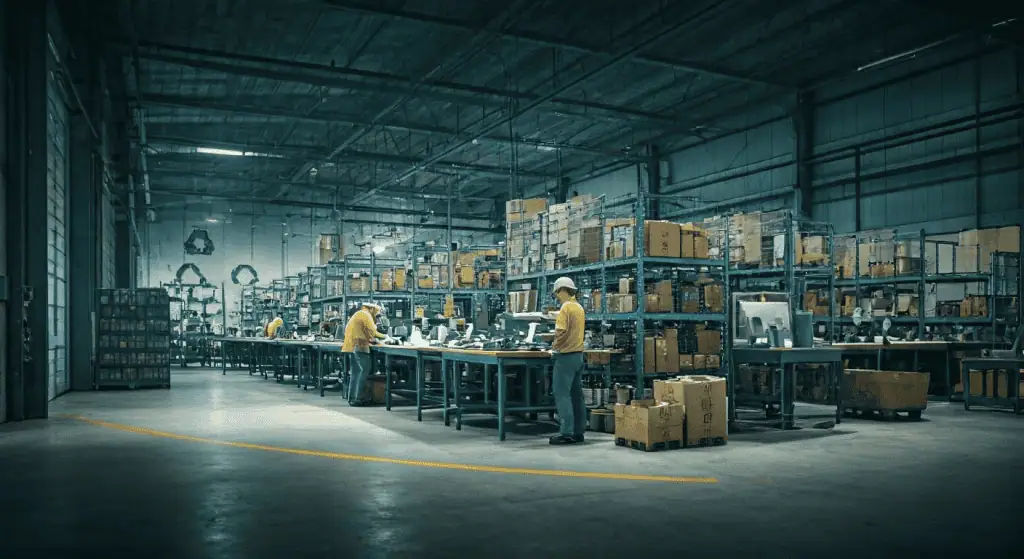
Finding a certified e-waste recycling center is easier than you think! In Philadelphia and across New Jersey, there are many options for responsible recycling.
Certified E-Waste Recycling Centers:
Look for facilities certified by R2 (Responsible Recycling) or e-Stewards. These certifications guarantee that your e-waste will be handled in an environmentally safe way. You can use resources like Earth911 or Call2Recycle to find a drop-off location near you.
Local Options for Philadelphia & NJ:
- Philadelphia Recycling Centers: The city offers several drop-off points for electronics recycling.
- New Jersey E-Waste Drop-Off: Counties like Burlington, Camden, and Gloucester hold e-waste collection events or maintain year-round drop-off sites.
Manufacturer Take-Back Programs:
Many electronics manufacturers offer take-back programs where you can return your old devices for recycling. Some companies even provide prepaid shipping labels or discounts on new purchases in exchange for recycling your old electronics. Check with manufacturers like Apple, Dell, and Samsung for details.
Finding Certified E-Waste Recycling Centers
Certified e-waste recycling centers provide a safe and environmentally sound way to dispose of electronic devices. Look for certifications like R2 (Responsible Recycling) or e-Stewards, which ensure the recycler meets high standards for environmental performance, worker health, and data security.
Many local governments or environmental agencies offer online resources to locate certified recycling centers near you. Websites like Earth911 or Call2Recycle allow users to search for recycling facilities based on their location and the type of electronics they need to recycle.
| Website | Description |
| Earth911 | Search for recycling centers and drop-off locations nationwide |
| Call2Recycle | Find drop-off locations for batteries and cell phones |
| Greener Gadgets | Directory of e-waste recyclers and resources |
Participating in Manufacturer Take-Back Programs
Many electronics makers have take-back programs. These allow you to return your old electronics for proper disposal or recycling. This helps to manage e-waste safely, especially for items that have hazardous substances.
When you buy new electronics, ask about their take-back programs or check their website for details on returning your older devices. Some makers even provide prepaid shipping labels. They may offer discounts on new purchases if you recycle old electronics through their programs.
By joining these programs, you help build a circular economy for electronic devices. This reduces the harmful impact of e-waste and encourages responsible resource management.
Conclusion
In conclusion, recycling electronics properly is very important for our environment and our health. The first step is to understand e-waste and how it affects us. Using the ideas of reduce, reuse, and recycle can make a big difference. Choosing sustainable gadgets, looking for certified recycling centers, and taking part in manufacturer take-back programs are all practical steps for good e-waste disposal. If we follow these guidelines, we can help make the planet cleaner and healthier for everyone now and in the future. Let’s all do our part in e-waste disposal and make a positive difference in our world.
Frequently Asked Questions
How can I ensure my data is safe before recycling electronics?
Before you recycle your electronics, make sure to get rid of sensitive data. This means deleting files, clearing your browsing history, and signing out of secure websites. To keep your data safe, you might want to use data erasure software or ask a professional to help wipe your hard drive.
Are there any laws regulating e-waste disposal in the United States?
Yes, the United States has laws about e-waste that change from state to state. These rules often look at how to handle harmful materials in electronics. To find out about disposal methods in your area, contact your state’s environmental protection agency. This is an official government organization that can give you the information you need.
Can all electronic devices be recycled?
Many electronic devices can be recycled, but there are some limits. Not all kinds of electronics or their parts may be accepted by recyclers or recycling programs. Contact your local recycling center or check manufacturer websites for details about recycling programs and what they will not take.
What should I do with electronic devices that are not accepted by recyclers?
If recyclers can’t take your devices, look for other choices. You can reach out to the manufacturer. You can also search online for more information about responsible disposal methods. Think about whether the device can be reused or repurposed.
How can businesses manage their e-waste more responsibly?
Businesses can use best practices for e-waste management. They should work with certified recyclers who focus on hazardous waste. They also need to create policies for responsible disposal. It is important to raise employee awareness. This can help encourage corporate responsibility.