

Key Highlights
- Removing your old carpeting is a great way to update your home and increase its value.
- While the process may appear daunting, it’s totally doable with some preparation and the right tools.
- You’ll need basic tools like a utility knife, pliers, a pry bar, and a hammer, along with safety gear like a dust mask and work gloves.
- This guide will take you through every step, from prepping your space to disposing of the old materials.
- Get ready to enjoy your fresh, new flooring and the satisfaction of a job well done!
Introduction
Want to update your floors and make your home feel new? Removing carpet may seem scary, but it can be an easy DIY job. Whether you plan to lay down new carpeting or try a different type of flooring, this guide will provide you with the steps and tips you need to handle the carpet removal process like a pro.
Understanding the Need for Carpet Removal
Old carpeting can keep dust mites, allergens, and dirt trapped inside it, even when you vacuum regularly. Getting new flooring is not just about how it looks; it’s also a step toward a healthier and cleaner home.
Aside from health benefits, taking out your carpet gives you many design options. Whether you want smooth hardwood floors, stylish tiles, or soft new carpeting, starting fresh allows for the best results when you install your new flooring.
The Benefits of Updating Your Floors
One of the best things about removing old carpeting is how it changes the look of your rooms. When you replace worn-out or outdated carpets, your space feels fresh and modern. Hardwood floors are especially nice because they add warmth and a classic touch to any room.
Also, new flooring can increase the value of your home. Buyers often want to pay more for homes with updated flooring. It shows that the home is in good shape. This makes it a smart choice to invest in removing old carpeting and getting new flooring.
If you want to sell your house, new flooring will attract buyers. It highlights that your home is well-kept and boosts its market value!
Signs Your Carpet Needs to Go
Stains can be a clear sign that your carpet may need to be replaced. If professional cleaning can’t remove tough stains, it might be time for something new.
A musty smell that doesn’t go away after cleaning could mean there are issues like mold or mildew in the carpet. This can be a concern for your health, especially if you or anyone in your family has allergies.
If you are always moving furniture to hide worn areas or tears in your carpet, it’s a strong sign for a full replacement. Getting new flooring will improve how your home looks and stop you from having to hide damaged spots.
Essential Tools and Safety Gear for Carpet Removal
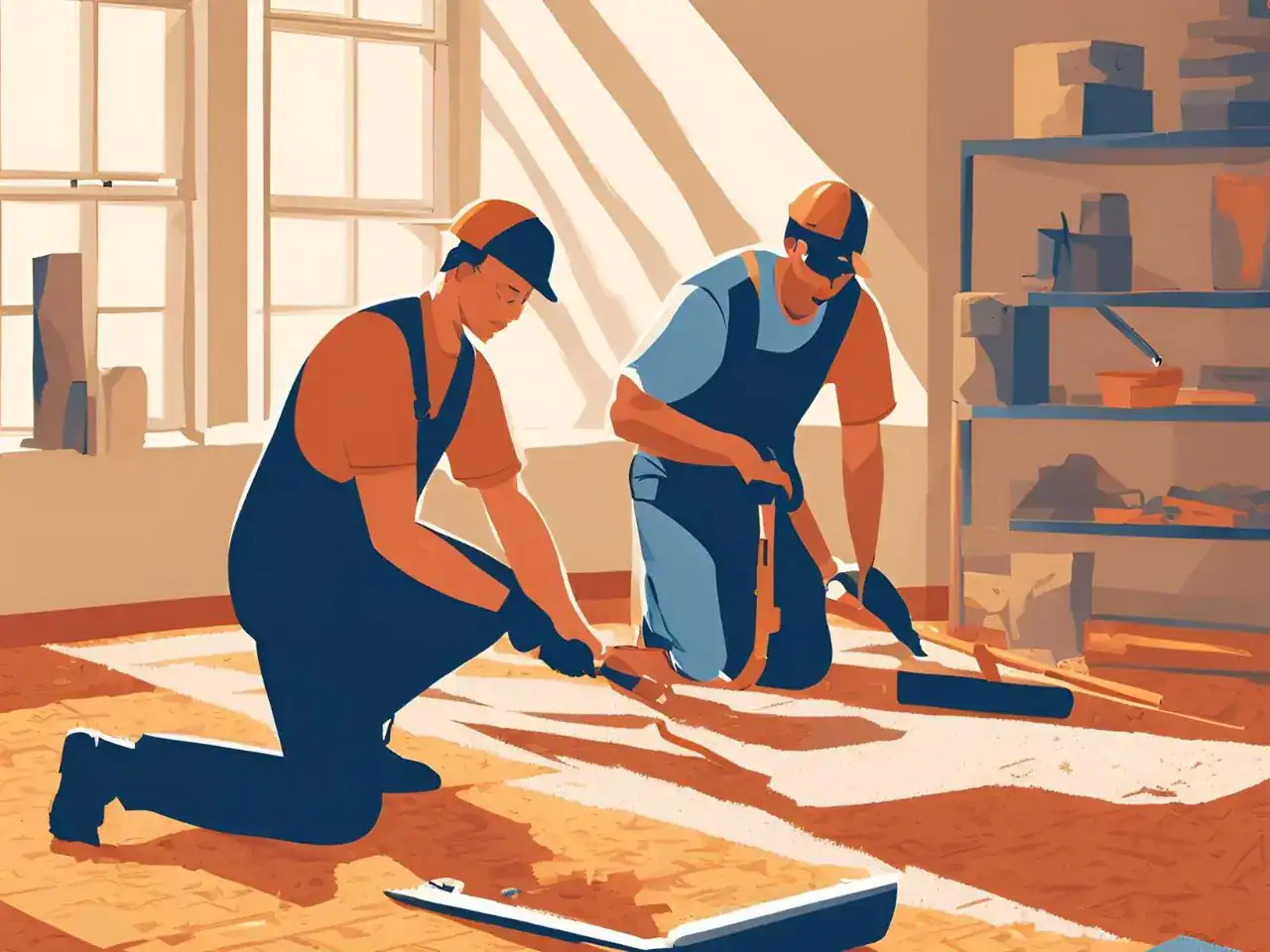
Before you start the carpet removal process, it’s important to get all the tools you need and focus on safety. Having the right gear will make the job easier and keep you safe from risks.
Always put safety first by wearing the right equipment for any home improvement work. For the carpet removal process, be sure to have work gloves, a dust mask, and safety glasses. These items will protect you from dust, debris, and sharp materials.
Listing the Must-Have Tools
Having the right tools makes it easier and faster to remove carpet. Collect these important items before you start:
- Utility Knife: This tool is great for cutting the carpet into smaller pieces. A sharp blade is key for clean cuts.
- Pry Bar: You need a pry bar to take off tack strips. These strips are nailed to the subfloor and hold the carpet down.
- Duct Tape: Use duct tape to secure rolled-up carpet pieces. This helps you move and throw them away easily.
A hammer can help with tough tack strips. Pliers are useful for grabbing and pulling up the carpet. Remember to have one or two heavy-duty garbage bags for disposing of the old carpet.
Protective Equipment for a Safe Removal Process
Safety is very important when you remove carpeting. Old carpeting can collect dust, dirt, and allergens. To protect yourself, wear these:
- Dust Mask: A dust mask helps stop you from breathing in dust and particles during removal.
- Work Gloves: Thick work gloves keep your hands safe from sharp tack strips, staples, and carpet edges.
- Knee Pads: Carpet removal means a lot of kneeling and bending. Knee pads give you comfort and protect your knees.
It is also good to wear long-sleeved clothes and closed-toe shoes. This will help prevent cuts and scrapes. Make sure the room is well-ventilated by opening windows.
Step-by-Step Guide to Carpet Removal
Now that you have your tools ready and safety in mind, let’s look at how to remove carpet step by step. By following these easy steps, you will soon see a clean subfloor.
Each part of the carpet removal process includes specific techniques. We will explain these steps simply, so you will be ready to handle each one well.
Preparing Your Space for Removal
- Before you start taking out the carpet, clear the room of all furniture. This gives you enough space and helps avoid accidents.
- Now, take off the closet doors, like bi-fold doors. They can get damaged easily during the carpet removal process. Removing them also makes it simpler to take out carpeting from the closets.
- If you are in a multi-story house and removing carpet from stairs, begin at the top and work your way down. This way, you have a clear path to carry the removed carpet down safely.
Techniques for Efficient Carpet and Padding Removal
Start by taking the pliers to gently lift a corner of the carpet. Once you have a good grip, you can pull the carpet back from the tack strips by the wall.
Next, use a sharp utility knife to cut the carpet into sections that are about 3 to 4 feet wide. This will help you handle the carpet better and make it easier to roll up for disposal.
Roll each section of carpet tightly and use duct tape to keep it from unrolling. Keep cutting and rolling until all the carpeting is removed.
Conclusion
In conclusion, knowing how to remove carpet is very important for changing your home. You need to see the signs that show it’s time to get rid of your old carpeting. It’s also important to use the right tools and wear safety gear to make the removal process easy. If you follow a clear guide and get your space ready, you can take out old carpeting quickly. Whether you want to do it yourself or get help from a professional, remember that a safe and good removal process is very important. If you have questions or need help, check our FAQ section or contact us for advice.
Frequently Asked Questions
Is it cost-effective to remove carpet by myself?
Yes, taking out carpet by yourself is a great way to save money. Doing it yourself can cut down on labor costs, which usually fall between $1 and $2 for every square yard.
How do I dispose of old carpet in New Jersey?
In New Jersey, there are different ways to get rid of old carpeting. You can set up a bulk pickup with your local waste management service. Another option is to rent a dumpster from a junk removal company. You can also look into carpet recycling facilities.
Can I recycle my carpet, and if so, where?
Yes, there are many types of carpet that can be recycled. Recycling carpet helps reduce harm to the environment and saves resources. You can reach out to local recycling centers or carpet stores to learn about where to drop off your carpet or if they offer pickup services.
What should I do if I encounter difficult tack strips or padding?
If you are having trouble with tough tack strips or padding, do not push too hard. Use a pry bar gently for leverage. It’s a good idea to wear safety glasses to protect your eyes. If it gets really hard, you can always ask a professional for help!