
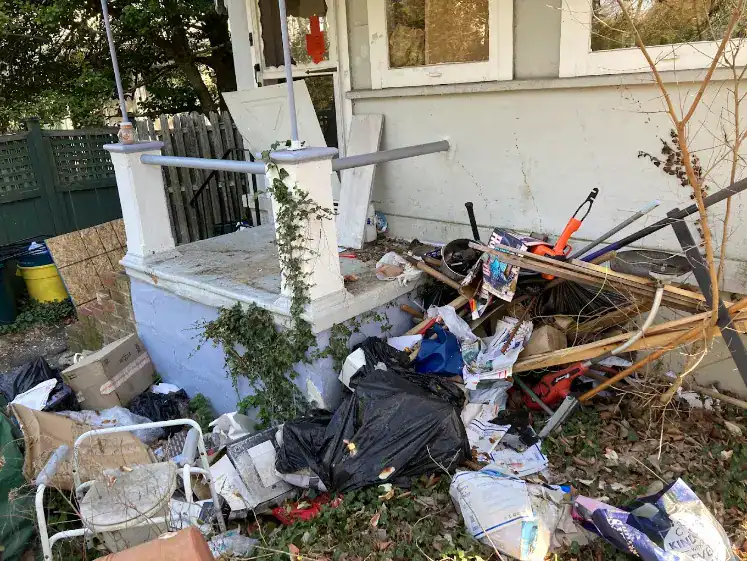
The junk removal industry is changing fast in 2025. Gone are the days of simply dumping everything into landfills. Today’s waste management companies are adopting smarter approaches, embracing cutting-edge technology, and finding new ways to turn trash into treasure. Let’s look at what’s happening right now in the world of junk removal.
The Circular Economy Revolution
Hauling junk straight to landfills is becoming a thing of the past. In 2025, successful junk removal companies are embracing circular economy principles that completely change how they handle waste.
Another defining trend for 2025 is a shift from linear waste disposal models to a circular economy, enhancing sustainability and profitability,” says a recent industry report from CheckSammy, showing how this fundamental change is taking hold throughout the industry.
We’re seeing this shift with companies like Junk King, which has made a bold promise to keep all hauled items out of landfills by 2025. They’re doing this through strategic reusing, donating, recycling, and upcycling programs. This commitment shows how the industry now sees discarded items as resources with ongoing value rather than useless trash.
Local success stories prove this approach works. Junk Removal Plus of Frisco announced earlier this year that they kept 50 tons of waste out of landfills in just six months through partnerships with local charities and recycling centers. These results show that green practices aren’t just good for the planet—they’re good for business too.
Technology’s Transformative Impact
Smart technology is completely changing how junk removal companies operate in 2025, creating efficiencies that weren’t possible before.
Smart Waste Management Systems
One of the most visible innovations is the rollout of smart waste bins with sensors that track fill levels in real-time. These intelligent bins alert collection teams when they’re almost full, making route planning more efficient and eliminating unnecessary pickups.
“Smart waste bins are intelligent technological innovations that are embedded with sensors and even solar-powered trash compactors,” explains Upper Inc., highlighting how these technologies are making waste collection more efficient while reducing environmental impact.
AI-Powered Sorting and Processing
Artificial intelligence is revolutionizing the industry through advanced sorting systems that identify, categorize, and separate materials with impressive accuracy. These systems boost recycling rates by ensuring recyclable materials don’t accidentally end up in landfills.
StartUs Insights reports that waste management facilities are now using “material scanners, autonomous waste picking systems, and more to improve operational efficiency.” These technologies not only increase recycling rates but also lead to better resource recovery.
Pneumatic Waste Systems
In crowded urban areas, innovative infrastructure solutions are gaining traction. RTS highlights pneumatic waste pipes as one of the best tech solutions for modern waste management challenges. These systems use underground tube networks to move waste directly from collection points to processing facilities, significantly cutting down the number of collection trucks needed on city streets.
Business Model Innovation
The business side of junk removal is evolving alongside its day-to-day operations. Several key trends are reshaping how companies compete in 2025:
Franchise Expansion
The junk removal franchise market in North America is booming, with Business Research Insights reporting that the sector was valued at approximately $0.76 billion in 2023 and is projected to reach $2.18 billion by 2032, growing at an annual rate of about 12.5%.
This growth reflects both increased consumer demand for professional waste management and the appeal of proven business models for entrepreneurs entering the industry.
On-Demand Service Models
Today’s customers expect convenience, and junk removal companies are delivering with on-demand services through easy-to-use mobile apps, enhancing the junk removal process. These platforms let customers schedule pickups, get price estimates, and track their service in real-time—bringing the simplicity of online shopping to waste management.
Diversified Service Offerings
Forward-thinking companies are expanding beyond basic junk hauling to offer specialized services for specific waste challenges. From e-waste recycling to construction debris management and even sustainable disposal consulting, these diverse offerings create multiple revenue streams while providing more complete solutions to customers.
Will there be any changes in regulations affecting the junk removal industry by 2025?
By 2025, we anticipate stricter regulations on junk removal practices to promote environmental sustainability. This shift may require junk removal companies to adopt greener disposal methods, recycle more waste, and adhere to stringent guidelines to minimize the industry’s ecological footprint.
Regulatory Compliance and Reporting
As environmental regulations get stricter worldwide, data-driven compliance has become essential for junk removal companies.
CheckSammy notes that “through automated and accurate reporting, businesses can easily meet compliance standards, making data-backed waste management a must-have for any organization prioritizing sustainability.”
These reporting systems help companies track their environmental impact, show they’re following regulations, and provide transparency to increasingly eco-conscious consumers who want to know their waste is being handled responsibly.
Energy Recovery Innovations
Waste-to-energy technologies are creating new value from materials that would otherwise be tossed away. Upper Inc. observes that “waste-to-energy plants develop steam for electricity generation by processing solid waste,” representing an innovative approach to getting maximum value from collected materials.
These facilities not only generate renewable energy but also significantly reduce the amount of waste that needs disposal, creating environmental benefits on multiple fronts.
What’s Next
As 2025 continues, the junk removal business industry keeps reinventing itself in response to environmental needs, technological advances, and changing customer expectations. The most successful companies will be those who see these changes not as obstacles but as opportunities to build more sustainable, efficient, and profitable businesses.
For Americans and consumers, these trends mean more responsible waste management options and greater transparency about what happens to their discarded items. For the planet, they offer hope that the massive amounts of junk generated by modern society can be handled in ways that minimize environmental damage and maximize resource recovery.
The junk removal industry in 2025 is proving that waste management can be both environmentally responsible and profitable—a powerful combination that will drive continued innovation in the years ahead.