


Key Highlights
- Downsizing involves moving to a smaller home, often to simplify life.
- Benefits include reduced costs, less upkeep, and financial freedom.
- The process includes decluttering, organizing, and making tough choices.
- Emotional challenges arise when parting with sentimental items.
- Effective strategies and professional help can ensure a smooth transition.
- Embrace change and create a functional and fulfilling space in your new home.
Introduction
The downsizing process can start a new chapter in your life. It gives you the chance to create a smaller but fulfilling living space. Moving to a new home lets you focus on what matters and use your space better. This change is about improving your quality of life and taking care of your well-being.
Understanding the Basics of Downsizing

The process of downsizing means moving from a bigger house to a smaller one. This takes careful planning and a change in how we think. By using less space, people can cut down on clutter, reduce maintenance, and possibly save money on housing costs.
Living in a smaller home helps us focus on what is important. It encourages us to look at our belongings and keep only what we really need. This change can be a good experience. It can lift the burden of too much stuff and help us create a simpler, more enjoyable living space.
What Does It Mean to Downsize Your Home?
Downsizing your home means moving from your current home to a new space. This new space usually has less square footage. The goal is to make a living area that works well for you and meets your needs.
This process includes deciding what to keep, sell, donate, or throw away. You need to clearly understand how much space you really need. You also have to be ready to let go of things that don’t fit into your life anymore or don’t make you happy.
Downsizing gives you a chance to create a smaller space that shows who you are. It’s a place where you can feel relaxed and satisfied.
Reasons People Choose to Downsize
The choice to downsize comes from different reasons. For some people, it makes sense because of money. A smaller home usually means lower monthly payments, property taxes, and utility bills. This is especially attractive to those close to retirement or wanting to save for other goals.
Others choose to downsize to lower their living costs. This lets them use their money for travel, hobbies, or spending more time with family. Wanting to live a simpler life without the stress of a large house can drive this decision.
In some cases, downsizing is needed. Life changes, like a divorce or losing a spouse, might require moving to a smaller home. Seniors may look to downsize into a retirement community or an assisted living place for better safety and care as they grow older.
Preparing for the Downsizing Process
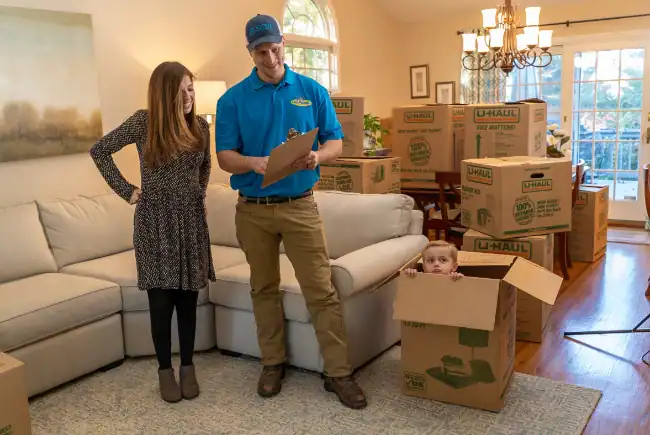
Preparing for downsizing is very important for an easy experience. You should collect the right supplies, like packing boxes and maybe hire help to make the moving process smoother. It’s also important to talk openly with your family. This way, you can manage what everyone expects and make decisions together about the things you all share.
Essential Resources Needed for a Smooth Transition
Having the right resources can help a lot when downsizing. One of the first things to do is get sturdy moving boxes, packing supplies, and labels to keep everything in order. It can also be a good idea to hire professional movers. They can help lift heavy furniture and many boxes.
Look for well-known charities and donation centers where you can donate items in good condition that you no longer need. If you feel overwhelmed with sorting and decluttering, consider getting help from a professional organizer. Their skills can give you peace of mind and make the process go smoother.
How to Set Realistic Downsizing Goals
Setting realistic downsizing goals is very important so you don’t feel overwhelmed. Instead of trying to do everything at once, break it down into smaller tasks. Start by focusing on one room or area at a time. This way, you can make steady progress and enjoy celebrating each small success.
Think about your timeline and resources. Set achievable deadlines that match your moving date. Talk openly with family members to make sure everyone understands and agrees on shared goals.
Keep in mind that downsizing is a personal journey. Customize your goals based on your needs and situation. The most important thing is to focus on your quality of life. Make choices that help you feel peace of mind and happiness in your new home.
A Beginner’s Guide to Downsizing
Downsizing can seem like climbing a big mountain of stuff, but if you take a step-by-step plan, it can be easier. Stay patient and take one step at a time. Also, remember to enjoy your wins as you go.
Step 1: Assessing Your Needs and Space Requirements
As you begin downsizing, think about how you want to live in your smaller home. Figure out which furniture pieces and appliances are important and will fit well in the new place. Look at the layout and how the space will work. When moving to a smaller home with less square footage, be careful about what you take with you.
Measure the rooms in your new home. Then compare these measurements to your current furniture. This will help you see what items fit comfortably and what might need to go or be replaced. It is a chance to enjoy a minimalist lifestyle and make your living space less cluttered and more useful.
Step 2: Sorting and Categorizing Your Belongings
Sorting and organizing your things is a key part of downsizing. Make a plan to go through each item and put it into piles: keep, donate, sell, or discard. Be honest about what you really need and use often.
- Keep: Important items you use a lot and things that have special meaning to you.
- Donate: Good condition items you do not need anymore but could help others.
- Sell: Items that you could sell, like furniture, appliances, decor, or collectibles.
- Discard: Items that are broken, damaged, or cannot be fixed.
As you go through this, think carefully about sentimental items and family heirlooms. Take your time and ask family members for their thoughts if you are unsure.
Step 3: Deciding What to Keep, Sell, Donate, or Discard
Deciding what to do with your things can feel hard. It can be both happy and sad. When thinking about what to keep, look for items that are useful and make you happy. This can include important things like your favorite pots and pans, cozy furniture, or special books. You might also want to keep sentimental items like family heirlooms and photo albums.
For things you don’t use but are still in good condition, you can try having a garage sale or selling them online. Donation centers also accept gently used clothing, furniture, and household items. Keep in mind that what seems like junk to you might be a treasure for someone else.
Letting go of items that mean a lot to you can be tough. You might take pictures of them or make a memory box. This way, you can keep the memories even after you part with the items.
Step 4: Planning the Layout of Your New Home
Before you move, make a plan for how to set up your furniture and things in your new home. A good plan can help you settle in better. Start by drawing a layout of your new home and write down the size of each room. Then, look at your list from Step 2 and decide which furniture will go in each room.
Think about how you live and how you want to use each area. For instance, if you often have guests, make sure your living room has enough seating and space. Also, consider how people will move around and make sure there’s enough space to walk between the furniture.
Step 5: Moving and Adjusting to Smaller Living Spaces
Moving day is here! As you unpack and start to settle into your smaller home, focus on unpacking the essential items first. This includes things like bedding, toiletries, and some basic kitchen supplies. Doing this will help you feel more comfortable even with all the boxes around. Take your time and unpack one room at a time, using your layout plan from Step 4.
When you organize your things, try to use vertical space. You can use shelves, bookcases, and wall storage ideas. Be open to trying new things. You may need to buy new items, like a smaller sofa or a more compact dining table, to fit your new space better. Embrace a minimalist lifestyle and think about quality rather than quantity.
Overcoming Downsizing Challenges
It’s completely normal to face emotional bumps while downsizing. Letting go of belongings that hold years of memories can bring up many feelings. Finding ways to make the most of the space in your new, smaller home is also an important part of the process.
Tips for Managing Emotional Attachments to Items
Emotional connections to your things are completely normal. When you deal with items that bring up strong feelings, take your time to understand your emotions. Remember the good times linked to each item. But keep in mind, your memories are not just about the things you own.
For special items you cannot let go of, think about how to include them in your new home. You could show off a few favorite photos or set up a special spot for family heirlooms.
If you have too many sentimental items taking up space, you might want to give them to family or close friends who would care for their memories. This way, they can get a second life. You will also feel good knowing someone you love cherishes them.
Strategies for Efficiently Utilizing Smaller Spaces
In a smaller home, every bit of space matters. You can make the most of it by using smart storage ideas. Use the walls for shelves, bookcases, and hanging organizers. Pick furniture that has storage, like ottomans with hidden spaces or beds with drawers below.
Think about multi-use furniture, like sofa beds or tables that can grow larger, to fit different needs and save floor space. Keep your things neat and easy to find with storage boxes, drawer dividers, and labels.
Conclusion
In conclusion, downsizing your home can be a freeing step toward a simpler and easier lifestyle. Take some time to think about what you need. Set goals that are realistic and organize your things well. This will help you move to a smaller space easily. It might be hard to let go of your old stuff and adjust to living with less, but with good planning and clever ideas, downsizing can bring you freedom and peace of mind. Take this chance to make your home functional and cozy. Make it fit your life now and your hopes for the future. Start your downsizing process today to enjoy a refreshed and stress-free living experience.
Frequently Asked Questions
How do I start the process of downsizing my home?
If you have thought of downsizing, the first steps are very important. You should make a plan that includes a checklist and a timeline. Gather the supplies you need and set goals that are realistic. Think about getting professional help for the parts you might find too hard to handle.
What should I do with items I no longer need but can’t part with?
Think about these options for sentimental items: take pictures, give them to family, or use a storage unit to keep them safe. Make sure the things you decide to keep really mean something to you. They should deserve a second life or a special place in your heart.