

Key Highlights
- This comprehensive guide will cover various aspects of yard waste removal, from understanding what qualifies as yard waste to exploring different removal options in New Jersey.
- Learn about the significance of proper yard waste disposal and its impact on the local environment.
- Explore practical tips for preparing your yard waste, including sorting, organizing, and packaging it effectively.
- Discover different yard waste removal options available in New Jersey, including municipal pick-up services, professional junk removal services, and DIY methods such as composting and mulching.
- Understand the environmental considerations related to yard waste and explore ways to minimize your environmental footprint.
Understanding Yard Waste
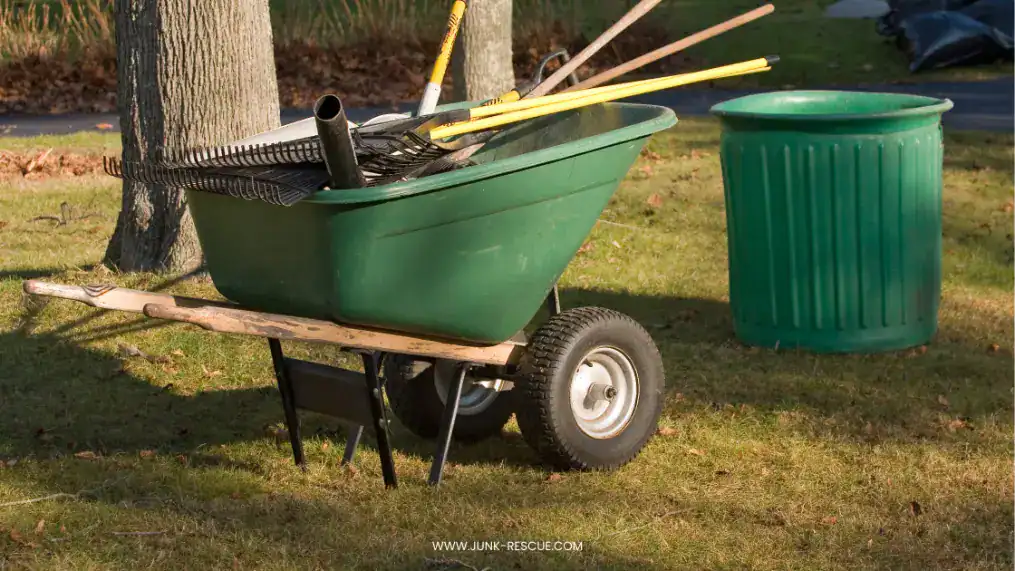
Yard waste is a normal part of keeping your outdoor space nice in New Jersey. But what is yard waste? It’s important to know this for proper disposal.
Yard waste is made up of organic materials from lawn care and landscaping. It includes different kinds of natural debris.
What Qualifies as Yard Waste?
Yard waste is made up of different types of organic debris. Here are the main items:
- Grass clippings: These come from mowing the lawn.
- Tree branches: Big and small branches from cutting or trimming trees.
- Leaves: Falling leaves, especially in autumn, add a lot to yard waste.
Other organic materials that can be yard waste include:
- Shrubs: Cutting and shaping shrubs create a lot of trimmings.
- Flowers and plant debris: Dead plants, flowers, and weeds fit here too.
- Untreated wood: Pieces of natural, untreated wood from landscaping work are yard waste.
It’s important to know that not everything organic counts as yard waste. Things like rocks, dirt, and treated wood need different ways to be disposed of.
The Importance of Proper Yard Waste Disposal in New Jersey
Properly dealing with yard waste is not just about keeping your home tidy. It also affects New Jersey’s environment and your community’s health. When organic debris goes to landfills, it takes up important space. It also breaks down without air, which creates methane, a strong greenhouse gas.
Bad disposal of yard waste can:
- Pollute soil and water.
- Bring in pests and mice.
- Cause bad smells.
Choosing the right ways for yard waste disposal helps protect the environment. It saves space in landfills and keeps the community cleaner and healthier.
Preparing Your Yard Waste for Removal
Before you pick a way to get rid of yard waste, you need to prepare your organic debris well. This means you should sort the waste and organize it so it is easy to handle. You also need to package it in a way that fits your chosen removal method.
By following these simple steps, you can make the process easier and faster. This will help you save both time and effort.
How to Sort and Organize Yard Waste
Sorting your yard waste is very important. Different types of waste may need different ways for disposal. By separating your yard waste into different piles, you can make it easier to remove:
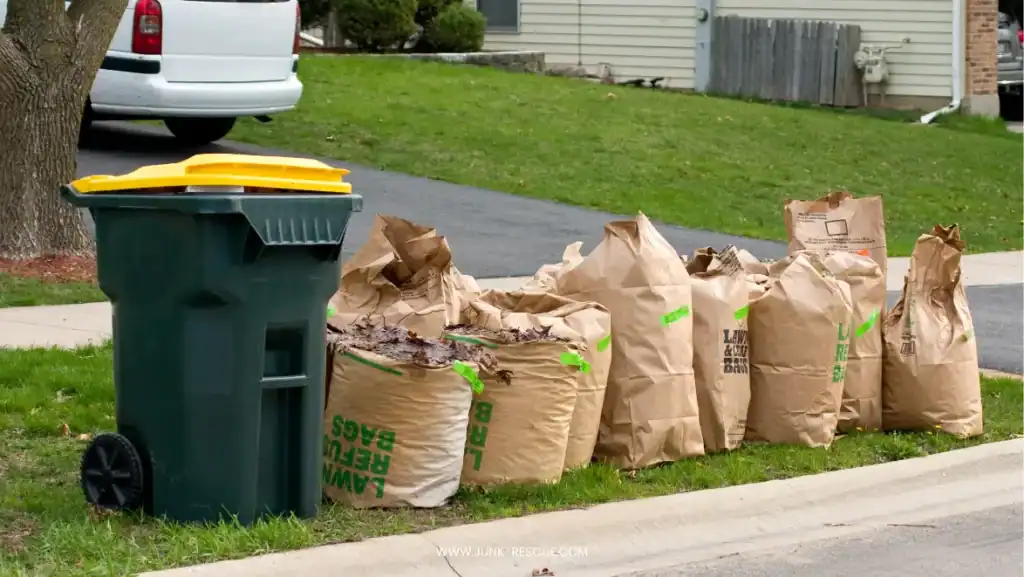
- Grass clippings: Gather these in yard waste bags or a special container.
- Leaves: Like grass clippings, place these in yard waste bags or a container.
- Branches and twigs: Tie these together with twine or rope. Make sure the bundles are a good size and weight to handle.
When you sort your yard waste, you will be ready for local rules. It also helps any hired help you have and makes it easier if you want to compost on your own.
Tips for Efficient Yard Waste Packaging
Proper packaging is important for easy handling and good yard waste disposal.
- Clear plastic bags: Please use clear plastic bags for your grass clippings and leaves. This helps to easily see what is inside.
- Bundle branches securely: Use twine or rope to tie branches and twigs into small bundles. Make sure they are not too big or heavy to handle easily.
If you follow these packaging tips, it will help avoid spills. This makes it simpler for waste collectors to manage and move your yard debris.
Yard Waste Removal Options in New Jersey
In New Jersey, you can choose to handle yard waste on your own or get help from professionals. There are different yard waste removal options available to fit what you need. Each choice has good and bad points. It is important to know what you need and what services are out there.
When you decide what to do, think about how much yard waste you have, your budget, and how it impacts the environment.
Local Municipal Pick-up Services
Many towns in New Jersey offer yard waste pickup services. This makes it easy for residents to dispose of yard waste. Usually, they collect it curbside on specific days that match the regular trash pickup.
Make sure to check with your local town for the rules about yard waste collection. Here is what to look for:
- Acceptable materials: Check what types of yard waste are allowed in your town.
- Packaging guidelines: Follow the rules for bagging, bundling, and container sizes.
- Collection Schedule: Stick to the days and times set for yard waste pickup.
Hiring Professional Yard Waste Removal Services
If you have a lot of yard waste or want an easy way to remove it, think about hiring a junk removal company that deals with yard debris. These companies have many advantages:
- Efficiency and convenience: Their professional teams do all the heavy lifting, loading, and disposal. You just need to point to the piles of yard waste, and they will handle everything!
- Flexible scheduling: Many of them provide same-day or next-day service.
- Environmentally Responsible Disposal: Good junk removal companies focus on proper ways to dispose of the waste.
DIY Disposal Methods: Composting and Mulching
For homeowners who want eco-friendly solutions, composting and mulching are great ways to dispose of yard waste. They can be beneficial for your garden too.
- Composting: This process turns organic material into compost. The compost acts as a natural fertilizer for your garden.
- Mulching: By shredding leaves and grass clippings into small pieces, you make mulch. This mulch creates a layer that protects your garden beds. It helps keep moisture in and stops weeds from growing.
When you change your yard waste into useful materials, you help the environment and improve the health of your garden.
Environmental Considerations
As we learn more about our impact on the environment, we need to think about how our actions affect nature. This includes things we do every day, like getting rid of yard waste. By picking eco-friendly ways to dispose of waste, we can help reduce damage to the Earth.
Using sustainable methods, like composting, mulching, and hiring removal services that care about the environment, helps save resources and keep our ecosystem safe.
The Impact of Yard Waste on New Jersey’s Ecosystem
Improper disposal of yard waste can harm New Jersey’s ecosystem. When organic debris goes to landfills, it creates methane. Methane is a strong greenhouse gas.
Also, when yard waste breaks down in landfills, it takes up space that could hold other waste. Recycling and composting yard waste lessen the pressure on landfills. This helps make a healthier environment. By knowing how we dispose of yard waste, we can choose better ways that help New Jersey’s ecosystem.
Composting: Turning Yard Waste into Garden Gold
Composting is a natural process that transforms yard waste, such as leaves and lawn trimmings, into a valuable soil amendment – compost. This dark, crumbly material is rich in nutrients and benefits your garden in several ways.
Adding compost to your garden improves soil quality and structure, providing essential nutrients for plant growth and promoting healthy root development.
| Benefit | Description |
|---|---|
| Improves Soil Structure | Enhances drainage, aeration, and water retention capabilities. |
| Adds Essential Nutrients | Provides a slow and steady release of nutrients for optimal plant growth. |
| Enhances Soil Fertility | Creates a thriving environment for beneficial soil microorganisms. |
Embrace composting as a sustainable method to handle yard waste and enhance your garden’s productivity naturally.
Composting: Turning Yard Waste into Garden Gold
Proper yard waste disposal is very important for helping the environment. When you know what counts as yard waste and sort it well, you help keep the ecosystem healthy. You can use local pick-up services, hire professionals, or try do-it-yourself options like composting. Each choice you make affects New Jersey’s environment. Composting reduces landfill waste and also helps improve soil health. It’s crucial to think about how yard waste affects nature and to look for green removal options. This way, you can help protect New Jersey’s environment. Stay aware and manage your yard waste responsibly for a better future.
Frequently Asked Questions
What is the best method to dispose of large tree branches?
For big tree branches, think about renting a dumpster. You can also reach out to your local municipality for their large item pickup service. Keep in mind that some municipalities have rules about how big the branches can be. Another option is to chip the branches into mulch.
Are there any restrictions on yard waste disposal in New Jersey?
Restrictions on yard waste collection can be different depending on your area. It’s important to reach out to your local municipality or waste management service. They can give you information about the rules in your area. These rules include how to bag yard waste and what materials are accepted. They will also let you know if there are programs like curbside compost collection available.
Can I burn my yard waste in New Jersey?
Burning yard waste is usually not encouraged in New Jersey because it can harm the environment. It is important to check local rules and laws. Open burning is often limited or banned to help protect air quality and keep public health safe.