


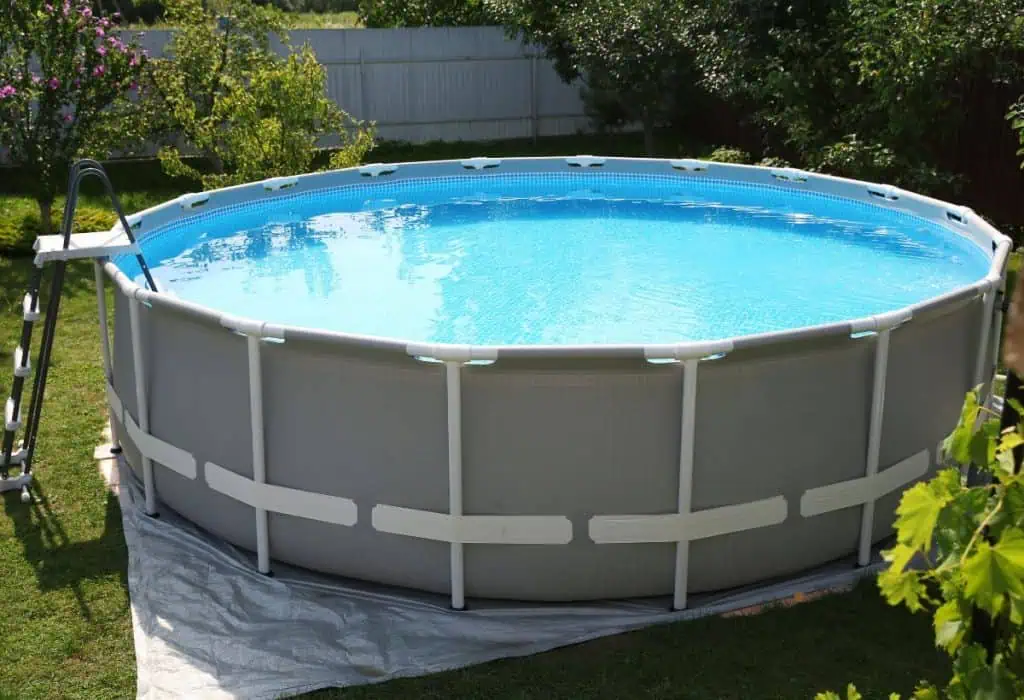
Key Takeaways
- Yes, most municipalities in New Jersey and Pennsylvania require permits for above-ground pool removal
- Pool removal costs typically range from $3,000-$8,000 depending on size, type, and local requirements
- Permit fees generally cost between $100-$500, but failing to obtain permits can result in fines up to $8,000 in some NJ municipalities
- Professional pool removal contractors handle all permit applications and ensure compliance with local regulations
- Both partial and full pool removal options are available based on your property goals and budget
Why Pool Removal Permits Matter in New Jersey and Pennsylvania
Removing an above-ground swimming pool might seem straightforward, but both New Jersey and Pennsylvania have strict regulations requiring permits for pool removal projects. These regulations exist to ensure safe demolition practices, proper debris disposal, and protection of neighboring properties.
The Bottom Line: Most pool removal projects in NJ and PA require building permits. Working with licensed contractors who understand local regulations protects you from costly fines and ensures your project meets all safety standards.
New Jersey Pool Removal Permit Requirements
When You Need a Permit in NJ
New Jersey’s Uniform Construction Code requires permits for any pool removal that involves demolition or structural changes. This includes:
- Full pool demolition (complete removal of all materials)
- Partial pool removal (breaking down walls and filling with approved materials)
- Any modification to the pool area that affects drainage or property grading
Important: Some NJ municipalities impose fines up to $8,000 for pool installations or removals without proper permits. The same penalties apply to removal projects.
How to Apply for Pool Removal Permits in NJ
Step 1: Contact Your Local Building Department
- Visit your municipality’s building department office
- Discuss your specific pool removal plans
- Obtain the required application forms
Step 2: Submit Required Documentation
- Completed permit application
- Site plan showing pool location and property boundaries
- Proposed disposal method for pool materials
- NJ DCA Construction Permit Forms
Step 3: Schedule Inspections
- Initial site inspection before work begins
- Final inspection after completion and backfilling
- Environmental compliance verification (if required)
Processing Time: Most NJ municipalities process pool removal permits within 5-10 business days.
Typical Permit Costs in NJ: $150-$400 depending on municipality and pool size.
Pennsylvania Pool Removal Permit Requirements
Municipal Variations in PA
Pennsylvania building codes vary significantly by municipality, with some requiring full permits while others only need notification. Common requirements include:
Counties/Townships Requiring Full Permits:
- Montgomery County
- Bucks County
- Chester County
- Delaware County
Areas with Simplified Requirements:
- Some rural townships may only require notification
- Smaller municipalities may have streamlined processes
PA Permit Application Process
Step 1: Determine Local Requirements
- Contact your township or borough office
- Ask specifically about pool removal regulations
- Verify if environmental notifications are needed
Step 2: Utility Notifications
- New Jersey: Contact NJ One Call at 811 at least 3 days before work
- Pennsylvania: Contact PA One Call at 811 at least 3 days before work
- Both states: Mark excavation area with white paint/flags before utility marking
Step 3: Submit Application
- Complete municipal permit forms (PA Code Alliance portal for participating municipalities)
- Provide property survey or site plan
- Include proof of insurance from your contractor
Step 4: Obtain Approvals
- Building department review (3-7 days typically)
- Environmental clearance (if required)
- Utility notification through PA One Call
Typical Permit Costs in PA: $100-$350 depending on municipality.
Common Reasons Homeowners Choose Pool Removal
Financial Benefits
- Eliminate ongoing maintenance costs ($1,200-$4,000 annually)
- Reduce homeowner’s insurance premiums (pools increase liability)
- Potential property tax reduction in some municipalities
Safety and Practical Considerations
- Enhanced child safety – eliminate drowning risks
- Reclaim valuable yard space for landscaping, patios, or play areas
- Avoid costly repairs for aging or damaged pools
Property Value Impact
Pool removal can actually increase property value in many NJ and PA markets where buyers prefer larger usable yard space over pool maintenance responsibilities.
Types of Pool Removal: Full vs. Partial
Full Pool Removal
- Process: Complete removal of all pool materials
- Cost: $4,000-$8,000 typically
- Best for: Properties being sold or major landscaping projects
- Permits: Always required in both states
Partial Pool Removal
- Process: Punch holes in bottom, break down walls, fill with approved materials
- Cost: $3,000-$5,500 typically
- Best for: Budget-conscious homeowners planning basic landscaping
- Permits: Still required in most municipalities
Why Professional Pool Removal Companies Handle Permits
Expertise in Local Regulations
Licensed pool removal contractors like Junk Rescue understand the specific requirements for each municipality in NJ and PA. This includes:
- Current permit requirements that change regularly
- Proper documentation needed for each jurisdiction
- Environmental compliance for debris disposal
- Inspection scheduling and coordination
Avoiding Costly Mistakes
DIY permit applications often result in:
- Rejected applications due to incomplete documentation
- Project delays waiting for approvals
- Additional fees for re-submission
- Code violations that require expensive corrections
Insurance and Liability Protection
Professional contractors carry:
- General liability insurance ($1M+ coverage typically)
- Workers’ compensation for crew safety
- Equipment insurance for heavy machinery use
- Environmental coverage for proper disposal
The Pool Removal Process: What to Expect
Phase 1: Planning and Permits (1-2 weeks)
- Initial consultation and site assessment
- Permit application submission to local authorities
- Utility marking through NJ One Call (811) or PA One Call (811) systems
- Environmental notifications (if required)
Phase 2: Preparation (1-2 days)
- Pool draining (following local water discharge regulations)
- Equipment removal (pumps, filters, heaters)
- Fence and deck removal (if applicable)
- Site preparation for heavy equipment access
Phase 3: Demolition (2-3 days)
- Breaking down pool walls with hydraulic breakers
- Size reduction of concrete/materials for disposal
- Material sorting for recycling vs. disposal
- Site cleanup and debris removal
Phase 4: Backfilling and Restoration (1-2 days)
- Approved fill material placement and compaction
- Grading to match surrounding landscape
- Final inspection by building department
- Seeding or sod installation (if included)
Environmental Considerations for Pool Removal
Responsible Debris Disposal
- Concrete recycling at approved facilities
- Metal recovery from equipment and hardware
- Proper chemical disposal from pool maintenance supplies
- Soil testing if contamination is suspected
Water Discharge Regulations
- NJ DEP notifications through NJ One Call at 811 or 1-800-272-1000
- PA utility notifications through PA One Call at 811 or 1-800-242-1776
- Chlorinated water: Must be neutralized before discharge
Cost Breakdown: Pool Removal in NJ and PA
Factors Affecting Total Cost
Pool Size and Type:
- Small above-ground (12-18 ft): $3,000-$4,500
- Medium above-ground (18-24 ft): $4,500-$6,000
- Large above-ground (24+ ft): $6,000-$8,000+
Additional Costs to Consider:
- Building permits: $100-$500
- Equipment removal: $200-$800
- Fence removal: $300-$1,200
- Deck/patio removal: $500-$2,000
- Final landscaping: $800-$3,000
Money-Saving Tips:
- Get multiple quotes from licensed contractors
- Consider partial removal if full isn’t necessary
- Bundle with other demolition projects
- Schedule during off-peak seasons (fall/winter)
Frequently Asked Questions
Do all above-ground pools require permits for removal?
Yes, in most cases. New Jersey requires permits for any structure that held more than 24 inches of water, and Pennsylvania has similar requirements. Even “temporary” pools often need permits for removal.
What happens if I remove my pool without a permit?
Serious consequences. Some NJ municipalities impose fines up to $8,000 for unpermitted work. You may also face:
- Stop-work orders
- Required restoration to code compliance
- Difficulty selling your property
- Insurance claim denials
How long does the permit process take?
Typically 5-10 business days in most NJ and PA municipalities. Some areas offer expedited processing for additional fees. Your contractor should factor this timing into project schedules.
Can I remove just part of my above-ground pool?
Partial removal is possible but still requires permits in most areas. The remaining structure must be properly secured and may need ongoing safety measures.
Will removing my pool affect my property taxes?
Possibly. Pool removal may result in slightly lower property assessments since pools are considered improvements. However, the increased usable yard space might offset this in some markets.
Do I need special disposal for pool chemicals?
Yes. Pool chemicals require proper hazardous waste disposal through certified facilities. Never pour chemicals down drains or into ground soil.
Ready to Remove Your Pool? Here’s What to Do Next
Step 1: Get a Professional Assessment
Schedule a free consultation with licensed pool removal experts who understand NJ and PA regulations.
[BOOK FREE CONSULTATION: Call (844) 967-1290]
Step 2: Understand Your Options
Discuss full vs. partial removal, timeline, and costs specific to your property and local requirements.
Step 3: Verify Contractor Credentials
Ensure your chosen contractor has proper licensing, insurance, and local permit experience.
- Check NJ licenses: NJ Consumer Affairs Verification
- Check PA registration: PA Attorney General Contractor Search
[SCHEDULE CONSULTATION: Call (844) 967-1290]
Additional Resources
Permit Information:
Utility Marking (Required Before Excavation):
Contractor Verification: